
Why Strength Training After 45 Is The Key To Aging Well
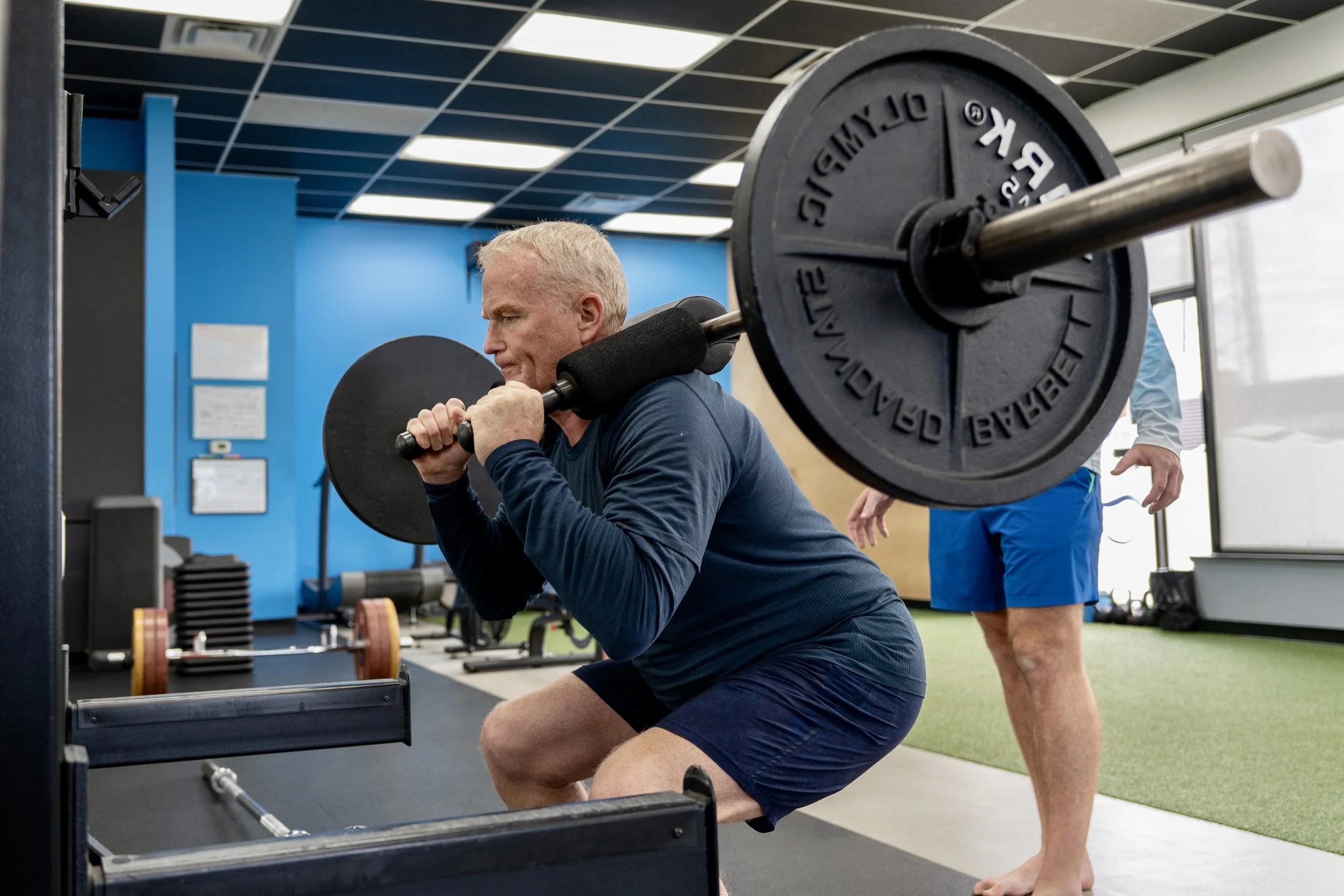
For many people, turning 45 quietly shifts the narrative about what the body is capable of.
You start hearing things like:
“It’s normal to lose strength as you age.”
“My metabolism just isn’t what it used to be.”
“My joints are getting worse every year.”
And slowly, the expectation becomes decline.
But here is the truth:
The body does not inevitably break down with age. It adapts to the demands placed upon it.
If the demands disappear, the body deteriorates.
If the demands remain — intelligently applied — the body rebuilds itself.
At Qi Movements, we see this every day.
Adults in their 50s, 60s, and 70s becoming stronger than they’ve been in decades.
Pain disappearing.
Confidence returning.
Movement improving.
Because the right kind of strength training does far more than build muscle.
It directly influences nearly every major marker of aging.
The Real Problem With Aging Isn’t Age
It’s Loss of Muscle
Beginning around age 30, adults start losing muscle mass in a process known as sarcopenia.
Without resistance training, this decline accelerates after 45.
Loss of muscle leads to:
Reduced metabolism
Increased body fat
Poor blood sugar control
Joint instability
Decreased bone density
Reduced balance and coordination
Increased risk of falls and injury
Muscle is not just for aesthetics.
Muscle is a metabolic organ.
It influences hormones, glucose control, inflammation, and even brain health.
And the good news?
Muscle is incredibly responsive to training — even later in life.
Research consistently shows that adults in their 60s, 70s, and even 80s can significantly increase muscle mass and strength when they begin resistance training.
The body never loses its ability to adapt.
Strength Training Is the Most Powerful Anti-Aging Tool We Have
While walking, yoga, and cardio all have value, strength training uniquely impacts the systems that decline with age.
Let’s break down why.
1. Strength Training Rebuilds Metabolism
Muscle tissue is metabolically active.
The more lean muscle you have, the more energy your body burns — even at rest.
As muscle declines with age:
Metabolism slows
Fat storage increases
Insulin sensitivity worsens
Strength training reverses this process by:
Increasing muscle mass
Improving glucose uptake into muscle cells
Enhancing insulin sensitivity
This is why resistance training is now considered one of the most powerful tools for preventing type 2 diabetes and metabolic syndrome.
2. Strength Training Improves Bone Density
Bone density declines naturally with age — particularly in women after menopause.
This increases the risk of osteopenia and osteoporosis.
Bones respond to load and stress.
When muscles contract against resistance, they pull on bone, stimulating bone-building cells called osteoblasts.
Strength training:
Increases bone density
Strengthens connective tissue
Reduces fracture risk
Walking alone is often not enough stimulus.
Progressive resistance is what tells the skeleton to stay strong.
3. Strength Training Protects the Joints
One of the biggest misconceptions we hear is:
“My joints hurt, so I should avoid lifting weights.”
In reality, the opposite is often true.
Joint pain frequently results from:
Weak surrounding muscles
Poor movement patterns
Lack of stability
Strength training improves:
Joint stability
Movement mechanics
Tissue resilience
When muscles around the hips, knees, shoulders, and spine become stronger, they offload stress from the joints themselves.
Many people discover that properly coached strength training actually reduces chronic pain.
4. Strength Training Improves Balance and Prevents Falls
Falls are one of the leading causes of injury in adults over 60.
Strength training improves:
Proprioception
Neuromuscular coordination
Balance
Reaction time
The nervous system becomes sharper when it is consistently challenged with controlled resistance.
Strong legs and hips also dramatically improve stability during daily movement.
5. Strength Training Supports Hormonal Health
After 40, both men and women experience hormonal shifts that influence:
Energy levels
Body composition
Mood
Recovery
Strength training stimulates beneficial hormonal responses including:
Growth hormone
Testosterone
Myokines released from muscle
These signals support tissue repair, metabolism, and overall vitality.
6. Strength Training Improves Brain Health
Emerging research shows that resistance training supports:
Cognitive function
Neuroplasticity
Reduced risk of dementia
Muscle contractions release signaling molecules called myokines, which have anti-inflammatory and neuroprotective effects.
Strength training also improves blood flow and oxygen delivery to the brain.
Simply put:
A stronger body supports a sharper mind.
Why Strength Training Is Superior to Cardio Alone
Cardio has clear cardiovascular benefits.
But cardio alone does not adequately protect against the age-related losses in:
muscle mass
strength
bone density
Strength training addresses the structural systems of the body.
Cardio primarily addresses the energy systems.
Both are valuable.
But if we had to choose one form of exercise that protects against aging most effectively, the evidence strongly favors resistance training.
At Qi Movements, Strength Training Means More Than Lifting Weights
Not all strength training is created equal.
For adults over 45, the goal is not simply intensity.
The goal is intelligent progression.
At Qi Movements, our approach focuses on:
Movement quality first
Proper joint alignment
Progressive resistance over time
Nervous system integration
Strength that supports real life
Our clients don’t just lift weights.
They build the strength required to:
Carry groceries with ease
Travel confidently
Play with grandchildren
Move without pain
Stay independent for decades
You Are Not Too Old to Get Strong
One of the most powerful moments we witness is when someone realizes:
“My body is still capable of improvement.”
Strength training rewrites the story of aging.
Instead of decline, the focus becomes:
resilience
capability
vitality
The body responds to the signals we give it.
If we challenge it with strength, it becomes stronger.
If we challenge it with movement, it becomes more capable.
You don’t have to break down after 40.
You can move better.
You can become stronger.
You can improve your quality of life for decades to come.
All it takes is the right approach.
If you’re ready to begin strength training safely and intelligently, we’re here to help.
At Qi Movements, we specialize in helping adults over 45 build strength, restore movement, and reclaim their vitality.
Because strength is not just about lifting weights.
It’s about building the foundation for a life well lived.
Ready to Get Stronger?
At Qi Movements, we specialize in helping adults over 45 build strength safely, restore movement, and improve their quality of life.
That’s why we offer our 3-Session Core Transformation Program — designed to assess how your body moves, identify limitations, and introduce you to intelligent strength training that supports long-term health.
Click Here to Book Your Free Discovery Call! and see if the program is the right fit for you.
Because you don’t have to break down with age.
You can get stronger.
Yours in wellness,
Brien & Dre
Qi Movements – Move well. Live well.™