
The #1 Cause of Falls After 60 (And How to Prevent It)
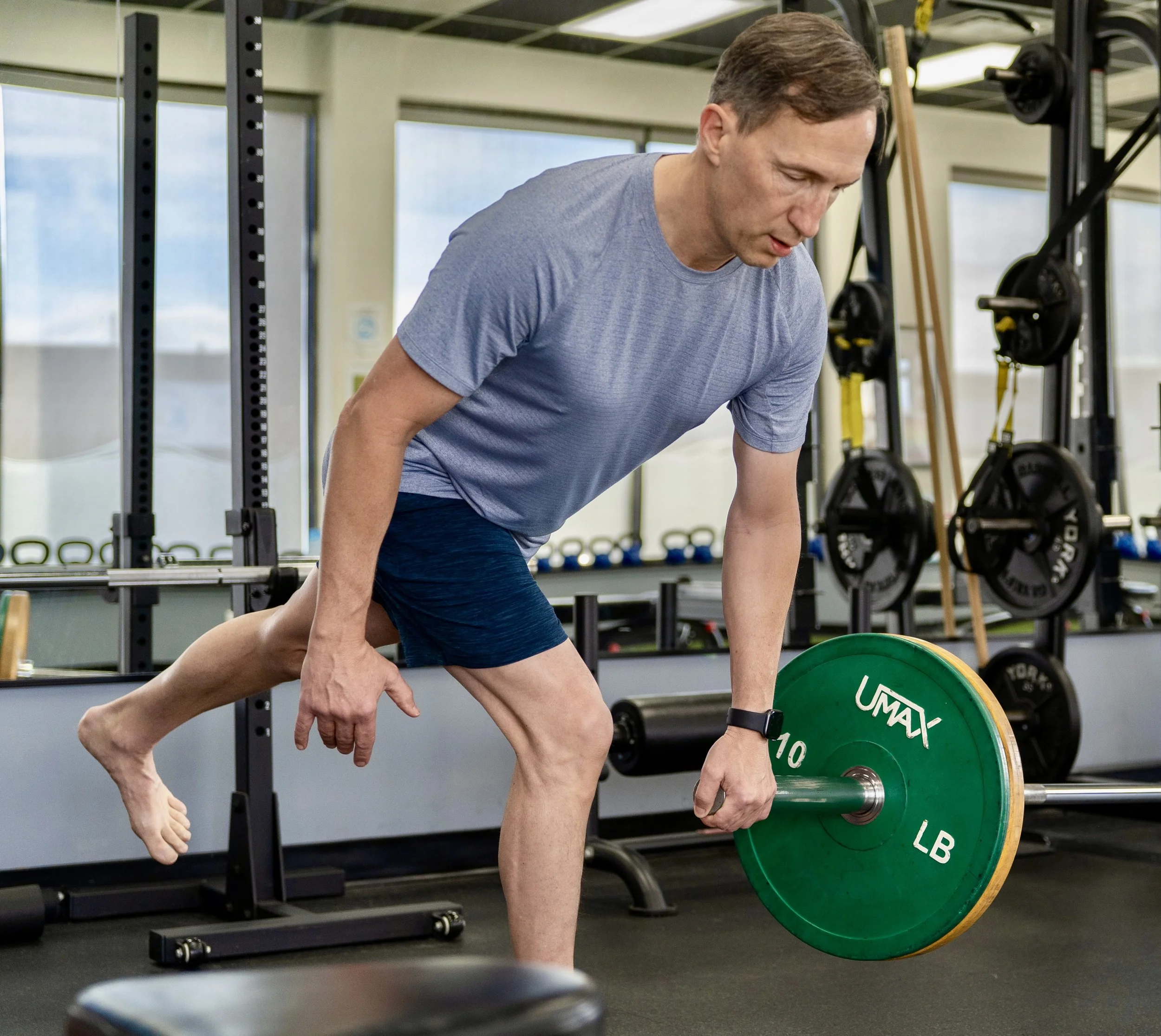
Most people think falls happen because of age.
But age itself isn’t the problem.
The real issue is something much more specific:
Loss of strength.
As we get older, the muscles that stabilize the hips, legs, and core gradually weaken if they are not consistently challenged.
This loss of strength leads to reduced balance, slower reaction times, and decreased stability — all of which significantly increase the risk of falling.
In fact, falls are one of the leading causes of injury and loss of independence for adults over 60.
But here’s the important part:
Falls are not an inevitable part of aging.
In many cases, they are preventable.
Why Falls Become More Common With Age
Several physical changes occur as we get older that affect balance and stability.
These include:
• loss of muscle mass (sarcopenia)
• reduced leg strength
• decreased hip stability
• slower neuromuscular response
• reduced coordination and balance
When these systems decline together, everyday activities become more difficult.
Simple things like stepping off a curb, walking on uneven ground, or catching yourself during a misstep become much harder.
This is why falls often occur during ordinary moments, not extreme situations.
The Hidden Role of Hip Strength
One of the most overlooked factors in fall prevention is hip strength.
The muscles around the hips and glutes play a critical role in stabilizing the body during walking, turning, and changes in direction.
Strong hips help you:
• maintain balance
• control your center of gravity
• recover quickly from a stumble
When hip strength declines, stability declines with it.
Balance Alone Isn’t Enough
Many people believe that doing “balance exercises” is the best way to prevent falls.
While balance training can help, it addresses only part of the problem.
Balance is actually the result of several systems working together:
• muscle strength
• joint stability
• coordination
• nervous system response
Without sufficient strength — particularly in the legs and hips — balance exercises alone won’t provide lasting protection.
Strength is the foundation of stability.
Why Strength Training Is the Most Effective Prevention
Research consistently shows that resistance training significantly reduces fall risk in older adults.
Strength training improves:
• leg and hip strength
• reaction time
• coordination
• bone density
• confidence in movement
Perhaps most importantly, it helps restore the body's ability to respond quickly and stabilize during unexpected movement.
In other words, it trains the body to recover from a stumble before it becomes a fall.
At Qi Movements, Strength Training Is Built for Longevity
At Qi Movements, our approach to strength training focuses on building the kind of strength that supports everyday life.
We help clients improve:
• leg and hip strength
• core stability
• balance and coordination
• movement quality
Before starting any program, we begin with a Functional Movement Screen (FMS) to understand how your body moves and identify any limitations that may affect stability.
From there, we design a personalized strength program that helps you move with confidence and resilience.
Because strength training is not just about lifting weights.
It’s about protecting your independence for years to come.
Strength Is One of the Best Investments You Can Make in Your Future
One of the most empowering realizations for many of our clients is that the body is still capable of improvement — even later in life.
You don’t have to accept weakness or instability as a normal part of aging.
With the right training, the body can become stronger, more stable, and more capable at any age.
And that strength supports the ability to continue doing the things that make life meaningful.
Ready to Build Strength and Stability?
At Qi Movements, we specialize in helping adults over 45 build strength safely, restore movement, and stay active for decades to come.
That’s why we offer our 3-Session Core Transformation Program — designed to assess how your body moves, identify limitations, and introduce you to intelligent strength training.
Click Here to Book Your Free Discovery Call! and see if the program is the right fit for you.
Because aging well isn’t about avoiding movement.
It’s about becoming strong enough to keep moving.
Yours in wellness,
Brien & Dre
Qi Movements – Move well. Live well.™