
Weight Loss Does Not Equal Longevity
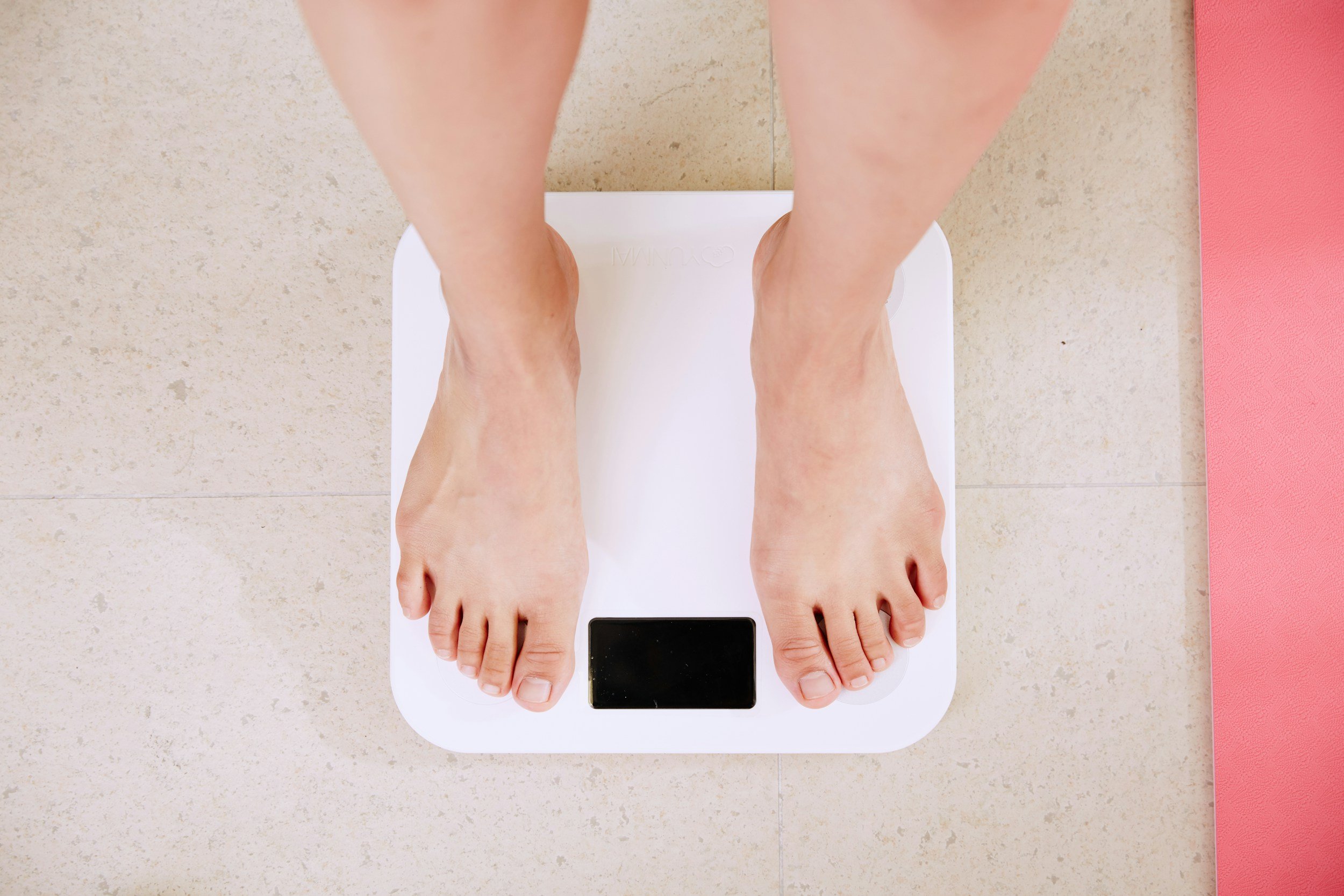
Everyone wants to lose weight.
Walk into almost any gym in January and you'll hear it.
“I want to lose 10 pounds.”
“I need to lose 20 pounds.”
“I just want to get the number on the scale down.”
For decades, we've been taught to use body weight as one of the primary measures of our health.
So we diet.
We restrict calories.
We skip meals.
We do more cardio.
And when the number on the scale starts going down, we celebrate.
But there's a question we don't ask often enough:
What exactly did you lose?
Because losing 20 pounds isn't automatically a success.
Did you lose body fat?
Did you lose muscle?
Did you lose both?
And perhaps the most important question:
What did that weight loss do to your physical capacity?
If your goal is quality of life and longevity, simply becoming lighter isn't enough.
We need to start thinking about something much more important.
Body composition.
Weight Loss and Fat Loss Are Not the Same Thing
Your body weight is made up of many things.
Muscle.
Fat.
Bone.
Organs.
Water.
Connective tissue.
And more.
Your bathroom scale takes all of that complexity and gives you one number.
That's useful information.
But it doesn't tell the whole story.
Imagine two people who both lose 20 pounds.
One loses primarily body fat while maintaining, or even building muscle.
The other loses a combination of fat and significant muscle mass.
The scale says they achieved the same thing.
Physiologically, they did not.
One may have improved their body composition while protecting their physical capacity.
The other may be lighter but also weaker.
That's an important distinction, especially as we get older.
The Question Isn't Just: How Much Do You Weigh?
A better question is:
What is your body made of and what can it do?
Can you get off the floor?
Can you carry something heavy?
Can you climb stairs easily?
Can you catch yourself if you stumble?
Can you lift your suitcase?
Can you hike for a few hours?
Can you push, pull, squat, hinge, lunge and carry?
Can your body support the life you want to live?
Those questions tell us something a scale never can.
Because when we talk about longevity, we're not simply trying to create a smaller body.
We're trying to build a capable one.
Sarcopenia Changes the Conversation
There's a process that becomes increasingly important as we age called sarcopenia.
Sarcopenia is the age-related decline in muscle mass, strength and physical function.
Without sufficient stimulus, maintaining muscle becomes more challenging as we get older.
That matters because muscle isn't simply something that makes us look fit.
Muscle is part of our physical infrastructure.
It helps us move.
Lift.
Carry.
Balance.
Climb.
React.
Recover.
And remain independent.
Now consider what happens when someone who is already facing age-related muscle loss decides they need to lose weight.
They dramatically reduce their calories.
They increase their cardio.
But they don't strength train.
The scale starts moving.
They're thrilled.
But some of the tissue they're losing may be the exact tissue they should be working hard to preserve:
muscle.
Losing Weight Can Mean Losing Muscle
When you create a calorie deficit, your body needs to make up that energy difference.
Ideally, much of the weight lost comes from stored body fat.
But your body doesn't automatically say:
"Don't worry, I'll only take this from fat."
Lean tissue can be lost during weight loss too.
This becomes particularly important when someone combines aggressive calorie restriction with inadequate protein and little or no resistance training.
You may successfully become lighter while simultaneously reducing the amount of metabolically active muscle tissue you're carrying.
That's not the trade we want to make.
Especially later in life.
The goal should be to create an environment where, when fat loss is appropriate, we can lose body fat while preserving as much muscle and strength as possible.
Your Muscle and Your Metabolism Are Connected
This is another reason we need to stop treating weight loss as the entire goal.
Muscle is metabolically active tissue.
Your body requires energy to maintain it.
The more lean mass you lose, the lower your body's energy requirements can become.
At the same time, losing body weight itself also reduces the amount of energy your body needs, and prolonged calorie restriction can lead to additional metabolic adaptations that make continued weight loss more difficult.
This helps explain a frustrating cycle many people experience.
They dramatically reduce their calories.
They lose weight.
Some muscle is lost along the way.
Their body becomes smaller and requires less energy.
Eventually, progress slows.
They restrict more.
Then normal eating returns.
The weight comes back.
And they start another diet.
Over years of repeated dieting without adequate strength training, someone can end up repeatedly chasing a lower number on the scale without ever building the physical capacity that will actually serve them later in life.
That's not a long-term strategy.
What If the Goal Was Body Recomposition?
Instead of asking:
“How quickly can I lose weight?”
What if we asked:
“How can I improve what my body is made of?”
That's body composition.
For someone carrying excess body fat, losing fat may absolutely be beneficial.
But we want to do it while protecting muscle.
And in some situations, particularly for people newer to strength training—it may even be possible to reduce body fat while gaining muscle.
Now the goal isn't simply:
Smaller.
It's:
Leaner. Stronger. More capable.
That's a very different way to approach health.
Strength Training Changes the Weight-Loss Equation
If you're trying to reduce body fat, strength training sends your body an important message:
We need this muscle.
Progressively challenging your muscles gives your body a reason to maintain them.
Combine that with adequate protein, appropriate nutrition, recovery and a sensible calorie deficit when needed, and you have a much better strategy for improving body composition.
The scale may move more slowly.
Sometimes it may barely move at all.
But your waist measurement changes.
Your clothes fit differently.
Your body fat decreases.
Your strength improves.
You move better.
You have more energy.
And you're building something far more valuable than a lower number.
Physical capacity.
The Scale Can Hide Progress
This is one of the reasons people sometimes become discouraged when they begin strength training.
They say:
“I've only lost five pounds.”
But maybe they've lost body fat and added lean tissue.
Maybe they're stronger than they were six months ago.
Maybe getting off the floor is easier.
Maybe they can carry heavier groceries.
Maybe their balance has improved.
Maybe they can hike longer.
Maybe their clothes fit differently.
The scale can't distinguish between losing five pounds of fat and losing five pounds of muscle.
Your body can.
That's why the scale should be one piece of information, not the definition of success.
We Need Muscle for the Life We're Trying to Protect
Imagine yourself at 80.
What matters more?
The number you see when you step onto the bathroom scale?
Or whether you can stand up from the floor?
Carry your groceries?
Walk up the stairs?
Lift your suitcase?
Travel?
Garden?
Play with your grandchildren?
Live independently?
Those abilities require physical capacity.
And muscle and strength are fundamental pieces of that capacity.
This is why sarcopenia needs to be part of the weight-loss conversation, especially as we move through middle age and beyond.
If we spend decades trying to make ourselves smaller while ignoring muscle, we may be sacrificing something we're going to desperately want later.
Don't Just Lose Weight. Build Something.
There may absolutely be a time when losing body fat is good for your health.
But don't make weight loss the entire goal.
Protect your muscle.
Build your strength.
Eat enough protein.
Move regularly.
Train your cardiovascular system.
Prioritize recovery.
Improve your body composition.
And pay attention to what your body can actually do.
Because longevity isn't a competition to see who can weigh the least.
It's about preserving the physical capacity to continue participating fully in your life.
So if you want to lose weight, ask a better question:
What am I trying to lose, and what am I trying to keep?
Lose excess body fat when appropriate.
Keep your muscle.
Keep your strength.
Keep your independence.
Keep your ability to explore, play, travel, lift, carry, climb and participate.
Don't spend the second half of your life simply trying to become lighter.
Build a body that's strong enough to carry you through it.
Yours in wellness,
Brien
Move well. Live well.™